
AI Configuration: Closing the Final Gap
The point of software is to close the gap between the work we do and the information and documents we use to do it.
One way to close that gap is to hire a team, develop our own software and get exactly what we want for exactly how we do our work. The other is to buy off the shelf software and live with the decisions of those software publisher.
The problem with fully custom software is that it is expensive, very time consuming, and now you’re stuck with a system you own and have to maintain.
Every bug, every change you want to make means paying more to get it fixed or upgraded, and usually that means you’ve hired software developers and become something you never wanted to be - a software company inside another company.
Most of the companies that try this realize its a different skill set, a different business model ... and a royal hassle.
On the other side, off the shelf software never does everything you want it to, and gaps remain. The software publisher has to make decisions that work for most of their customers, which means you get the most critical things but miss the specifics that you and your teams require to do work your way.
It is easier, but not quite what you want.
The solution is to make the software configurable.
Working with configurable software
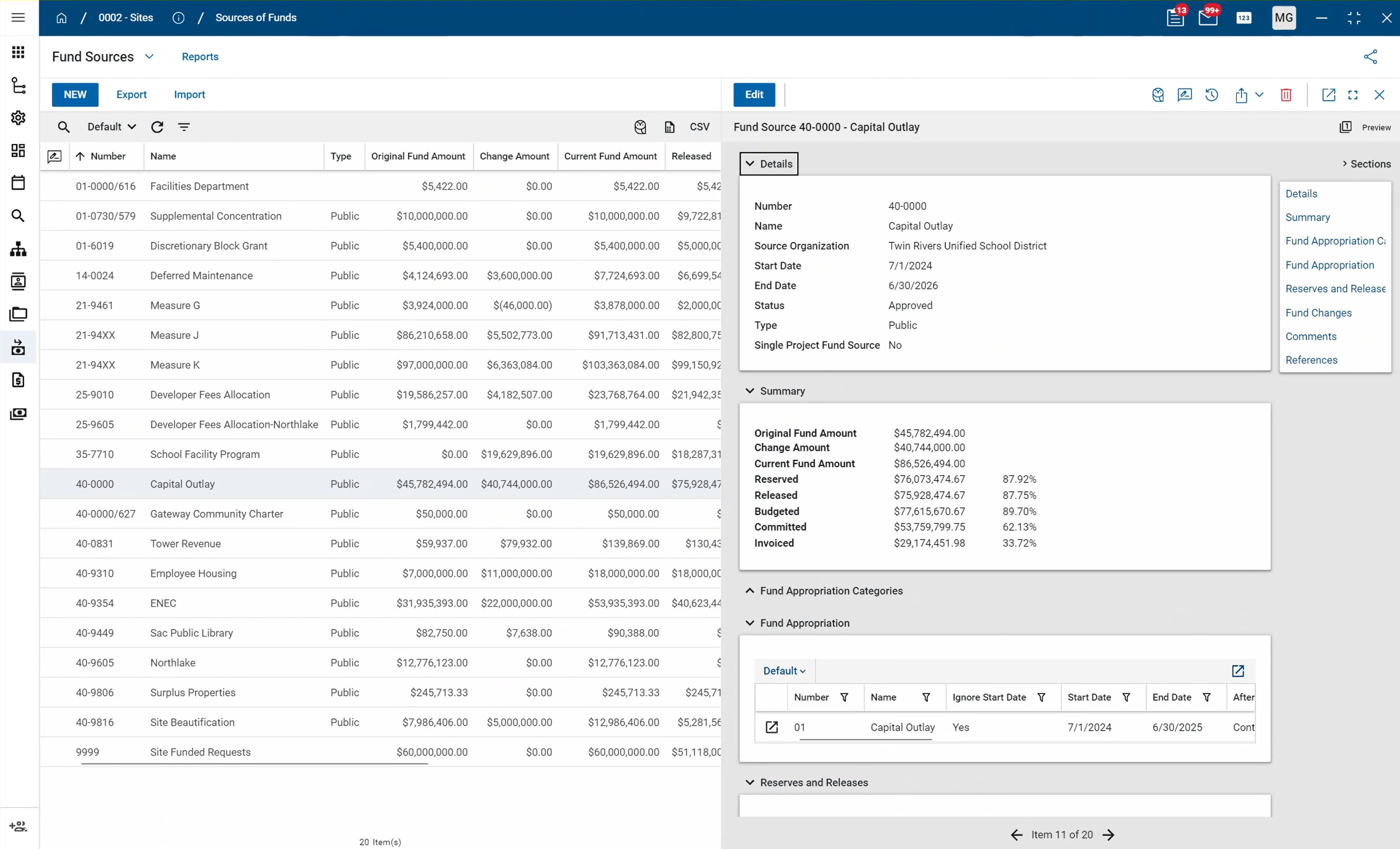 Most often this means that, built on top of a solid foundation that handles security, user permissions, databases and other basic functions, a layer of modules is offered that you can move around and connect into workflows that work for you.
This definitely takes more time than just plugging in off the shelf software, but it is always worth the extra time up front because it makes later work much easier, more efficient and really does close that gap between the worker and the work.
Making software configurable has another, less often discussed benefit: we don’t always fully understand our processes, at least we don’t understand them well enough to describe them on paper.
Things that are second nature are often hard to surface when you’re trying to get someone to build software for you - so a system that is configurable allows the teams using it to make changes over time, as users realize they can make the system even better at closing those critical gaps.
Over time, this holds the promise of allowing teams to evolve their workflows, and have software that follows along, supporting these evolutions. Only a configurable system can let you do this.
AI Configuration: Closing the final gap
The problem with configurability is that it is not as easy as it sounds. People that do the work usually aren’t trained to think about their work as boxes to be moved around, or steps to be analyzed. And the interfaces that get created to do this, while carefully created, still feel foreign.
Modern AI, whether it’s a chatbot, copilot or some other format, excels at taking everyday language and doing useful things.
This is final gap between the work and software, and AI is able to close that gap, by giving worker the ability to just describe what they want, have the software propose how that’ll work, then give the worker the ability to make final tweaks.
Instead of requiring workers to become workflow analysis experts, these adaptive AI systems do the analysis for them, but still give workers the ability to apply their judgment to the final analysis and proposed workflow, ensuring that the gap between work and software is closed as much as possible.
Imagine software that only asks for what it needs, instead of a bunch of fields that don’t matter.
Or software that connects the information you give it directly to what is needed next, instead of requiring you to paste information into multiple screens.
Or software that matches the steps you take, supporting your work along the way.
That is the promise of AI configuration: It provides the power of what AI agents can do, without over-automating and eliminating the oversight, judgment and expertise that is essential to get real projects completed.